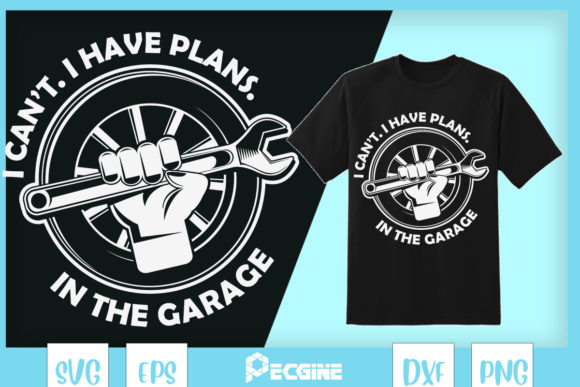
“I Can’t, I Have Plans in the Garage” Embroidery Design Review
When you’re looking for embroidery files to use for real projects, whether for a client, your small shop, or a personalized gift, the first impression is everything. This one, “I Can’t, I Have Plans in the Garage”, immediately struck me as clever and relatable. It’s not just a graphic; it’s a statement with personality. The layout feels balanced, and the typography has a casual, almost handwritten quality that suggests a friendly, humorous mood. It doesn’t scream “joke”; it whispers a shared understanding to anyone who’s ever prioritized their own projects over a social event. That’s a powerful starting point for a handmade product.
Where This Design Finds Its Home
I picture this design embroidered on a canvas tote bag for a craft-loving friend, or centered on the back of a cozy, heavyweight sweatshirt. It has that perfect blend of being personal enough for a gift and broad enough for general merchandise. For small business owners, especially those targeting makers, DIY enthusiasts, or car lovers, it’s a ready-made conversation starter. I’d lean towards applying it to sturdy, everyday items: aprons for the garage-tinkerer, durable pillow covers for a den, or even a well-placed patch on a work jacket. The theme naturally avoids being overly delicate, so it fits products with a utilitarian or relaxed vibe.
The Real-World Embroidery Scenario
Let’s walk through a typical use case. Imagine you’re preparing a custom embroidered tote as a holiday gift for your brother, the one who’s always restoring something in his workshop. You load the “I Can’t, I Have Plans in the Garage” file, thinking about thread colors. On a natural cotton canvas, a classic black or navy blue satin stitch for the text would be crisp. But on a dark fabric, like a charcoal grey sweatshirt, switching to a bright white or a metallic silver thread would make it pop. The design’s strength is its clear, uncluttered message—no tiny, intricate illustrations that could get lost in stitch density. This means it will maintain excellent stitching clarity on most fabrics, from twill caps to baby onesies (for that cool dad, of course), enhancing the perceived value and professionalism of the finished item.
Considerations for a Flawless Stitch Out
While this design feels adaptable, a practical review means noting where to proceed carefully. The included files—SVG, PNG, DXF, EPS—provide flexibility, but your embroidery machine’s interpretation is key. Always test on scrap fabric first. This is non-negotiable. Because the design relies on text, check the stitch density on the lettering, especially if you’re planning to use it on thinner or stretchy fabrics like t-shirts. A dense satin stitch on a knit can cause puckering without proper stabilizer. Similarly, on curved surfaces like a cap’s front panel, ensure the layout remains legible and doesn’t distort in the smaller hoop size.
The clean layout suggests it won’t have problematic detailed corners, but always inspect the small details in your software preview. How does the phrase break across lines? Are the connectors between letters clean? A quick test in both a light and dark fabric mockup will reveal if any thread color contrast issues exist. For commercial projects, this upfront diligence builds customer trust—they receive a product that looks intentional and well-made, not just hastily stamped.
How This Design Elevates Your Project
Using “I Can’t, I Have Plans in the Garage” isn’t just about adding decoration; it’s about adding context. On a kitchen towel in a rustic boutique, it becomes a humorous gift. On a baby bib in an Etsy shop, it becomes a niche product for a specific audience. This design affects visual appeal by being immediately understandable, which boosts buyer engagement. People don’t have to “figure it out”; they connect with it instantly. For creative entrepreneurs, this means the embroidered product can tell a story, aligning with brand consistency for shops focused on humor, craftsmanship, or automotive themes.
The giftability here is high. An embroidered pillow cover with this phrase is a personalized, thoughtful gift for a partner or family member. It feels handmade and specific, not generic. For your craft business, offering this on a range of products—from aprons to tea towels—can create a cohesive merchandise line. The recognition factor is strong; it’s a phrase many know and love, which helps in marketing at craft fairs or in digital product previews for your online store.
Practical Notes for the Working Designer
Before committing this to a final project, here are my grounded notes. Review the actual file formats provided to ensure compatibility with your specific machine embroidery design software and process. Since exact stitch counts or hoop sizes aren’t specified in the product details, I advise checking these parameters in your software after import to confirm the design fits your intended hoop and project scale. Always use a stabilizer appropriate for your base fabric—this is crucial for maintaining the integrity of the text on any garment.
Confirm the licensing terms for this digital embroidery file if you plan to sell finished items or use it in commercial embroidery projects. Most files in this category are for personal and commercial use, but verifying this avoids any future issues. When creating printable mockups or listing the finished product on Etsy, the clean PNG file included is invaluable for creating attractive, clear graphics that show customers exactly what they’ll get.
Finally, think about longevity. Products like tote bags or sweatshirts meant for frequent washing need a robust stitch out. Ensure your thread choices and stitch settings are durable. A well-executed version of “I Can’t, I Have Plans in the Garage” on a quality item doesn’t just look good; it feels like a lasting, valuable addition to someone’s daily life or a standout item in your small shop’s collection.
In essence, this design is a versatile, personality-driven asset. It’s not a complex pictorial that requires expert handling; it’s a well-composed statement that, with careful application and testing, can become a highly successful element in your embroidery work, from personalized gifts to thriving craft business merchandise.