The Sewing Machine Sewer Heartbeat: A Practical Design Review
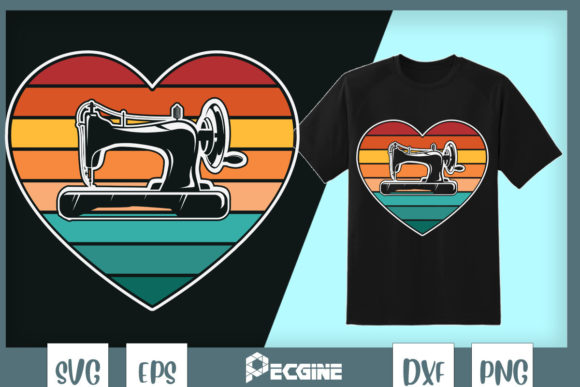
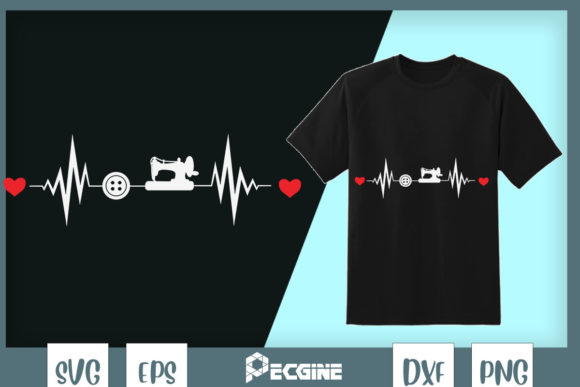
Let me start by saying this Sewing Machine Sewer Heartbeat design is exactly the kind of file I would pull out when a client asks for something personal, something that speaks to the craft itself. It’s not just a graphic; it’s a statement piece. The heartbeat line tracing through the sewing machine is a clever, emotive concept. It immediately creates a mood of passion and life—the idea that sewing is a living, breathing part of someone. For embroiderers, that’s a powerful message to stitch onto a product.
Where This Design Finds Its Natural Home
I’m picturing this on a custom embroidered tote bag for a seasoned quilter, or centered on the back of a cozy sweatshirt for a small boutique that sells handmade goods. It has that perfect balance of being niche enough for the community but universally understandable. The layout is clean and central, making it a fantastic candidate for a simple, impactful placement. The visual personality is confident and heartfelt, which translates incredibly well into satin stitch outlines and a fill stitch for the machine body.
This embroidery design shines on items where the message is part of the product’s value. Think aprons for a sewing tutor, pillow covers for a craft room, or even a beautifully framed patch as a gift for a fellow maker. For small business owners, especially Etsy sellers focusing on the maker market, this file can become a core part of their merchandise. It’s giftable—perfect for birthdays, holidays, or as a wedding gift for a creative couple. The recognition factor is high; anyone who sews will instantly connect with it.
Performance on Real Fabrics and Products
In practical embroidery situations, the success of this design hinges on its detail level. The heartbeat line and the sewing machine details need clarity. On a sturdy canvas tote bag or a cotton twill apron, with proper stabilizer, I expect it to stitch out beautifully, adding significant perceived value to the handmade product. On a baby garment or a lightweight tea towel, however, you’d need to be careful. The stitch density, if it’s high in the machine body, could overwhelm thin fabric.
For apparel decorators, this is a strong choice for mid-weight fabrics like standard t-shirts and sweatshirts. It would also make a stunning, large-scale embroidered patch that could be applied to a jacket or blanket. The design’s professionalism comes from its clean concept—when stitched with good thread color contrast on a light or dark background, it looks intentional and polished, which builds customer trust in your craft business.
Considerations Before You Hoop It Up
Here’s where my experience as a reviewer turns into practical advice. Always, always test this embroidery file on scrap fabric first, especially if you’re planning commercial embroidery projects. Check how the small details, like the needle and spool, render. Are they clear or do they blend into a blob? This is critical for caps or curved surfaces where distortion can occur.
The provided files—SVG, PNG, DXF, EPS—mean you have flexibility for digital product previews and printable mockups, which is great for digital product sellers. But for the actual machine embroidery, you’ll need to confirm your specific machine compatibility, hoop size requirements, and stitch count from your software. These weren’t detailed in the listing, so that’s a must-do step.
Navigating Potential Challenges
There are a few scenarios where I’d use this Sewing Machine Sewer Heartbeat design carefully. On very textured fabrics, like some linens, the fine heartbeat line might lose its smoothness. On stretchy fabric, without the right stabilizer strategy, the design could distort. Dark fabric requires thoughtful thread color selection to maintain that visual appeal and stitching clarity. And for items destined for frequent washing, like kitchen towels, a dense fill stitch area on the machine might be less durable over time than a lighter running stitch approach.
Also, inspect the potential for tiny lettering if any text is incorporated. If the design includes small “sewer” text, for example, it might not be suitable for very small hoop sizes. The key is to match the design’s scale to the product’s scale.
Final Thoughts on Its Commercial and Creative Impact
For creative entrepreneurs, this design offers a solid foundation for brand consistency if your shop revolves around sewing and crafting. It tells a story, which engages buyers more than a generic motif. When embroidered well, it elevates the finished product from a simple garment to a personalized, meaningful item.
My final embroidery designer notes: Use this Sewing Machine Sewer Heartbeat for projects where the theme aligns perfectly. Compare it on light and dark backgrounds in your software before stitching. Use proper stabilizer for the fabric you choose. And crucially, confirm the licensing terms before selling finished items or using it in commercial embroidery. Understand whether it’s for personal use, commercial use, or both. That clarity protects your craft business and allows you to stitch with confidence, knowing this heartfelt design is ready to bring a pulse to your next project.