To Fish or Not: A Classic Design for Modern Makers
The Instant Charm of a Good Fishing Pun
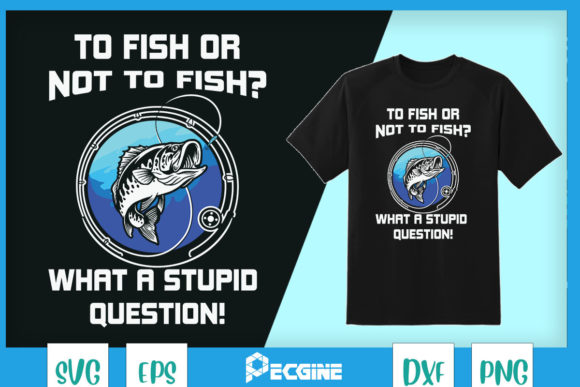
Let’s be honest, the first thing you notice about To Fish or Not What a Stupid Question is its personality. It’s witty, confident, and carries that timeless appeal of a good pun paired with a classic hobby. The layout, with its bold, clear lettering and illustrative fishing rod, has an immediate visual clarity that promises to translate well into stitches. As a designer, I look for designs that tell a story at a glance, and this one does exactly that. It creates a mood of relaxed humor, perfect for projects meant to feel personal, lighthearted, and genuine.
The level of detail is well-judged. The fishing rod and line aren’t overly intricate, which is a significant advantage for embroidery. This means clean satin stitches for the text and manageable fill or running stitches for the graphic elements. The design’s visual personality is straightforward and friendly, which naturally places it in the realm of casual, everyday items. It feels destined for a comfortable sweatshirt, a durable tote bag, or a personalized gift for someone who appreciates a clever turn of phrase.
Where This Design Shines in Real Projects
Imagine you’re preparing a custom order for a client’s birthday gift—a sturdy canvas tote bag for their fishing trips. You want something that’s both functional and uniquely theirs. To Fish or Not What a Stupid Question fits this scenario perfectly. The bold statement ensures the embroidered piece is readable and impactful from a distance, a key consideration for bags and apparel.
This embroidery file performs exceptionally well on a variety of real-life surfaces. For custom apparel like t-shirts and sweatshirts, it offers a sizable, central motif that becomes the focal point without overwhelming the garment. On a baby’s bib or a child’s hat for a fishing family, it becomes a charming, personalized touch. As an embroidered patch, it’s ideal; the clean lines would allow for neat edging, making it a fantastic item for craft fair products or Etsy listings. It translates well to home goods, too. Think of it stitched onto a pillow cover in a lakeside cabin or subtly placed on a kitchen towel in a rustic-themed home.
For small business merchandise, such as boutique products for outdoor or hobby shops, this design adds value through its niche appeal. It’s instantly recognizable to the target audience, fostering buyer engagement because it speaks directly to their passion. The design’s straightforward nature also aids in brand consistency if you’re a maker focusing on outdoor or humorous themes; it’s a solid, reliable asset for your digital product library.
A Natural Fit for Gifting and Recognition
The giftability of a finished product with this design is high. An embroidered cap or apron featuring To Fish or Not What a Stupid Question feels thoughtful and specific. It shows you understood the recipient’s interests, which elevates the handmade presentation beyond a generic item. This specificity builds customer trust—they see you as a maker who can deliver a product with personal resonance.
In terms of visual appeal and stitching clarity, the design’s strength lies in its separation of elements. The text and the graphic don’t compete; they complement. This separation allows for good thread color contrast choices, making each part stand out clearly after stitching. On a finished product, this clarity directly impacts perceived professionalism and value. A clean, well-defined embroidery job looks skilled, and this design supports that outcome.
Considerations for a Smooth Stitching Process
While To Fish or Not What a Stupid Question is adaptable, there are places where you should proceed with a designer’s careful eye. The lettering, while bold, contains some smaller details in the question mark and the fishing rod’s reel area. On very small hoop sizes, these tiny details could become lost or turn into dense, stiff stitch areas. I would avoid scaling it down excessively for a tiny item like a keychain unless you test thoroughly first.
Textured or highly stretchy fabrics, like certain knit sweatshirts, require extra attention. The design has areas of solid text that could benefit from appropriate stabilizer choices to prevent puckering. On dark fabric backgrounds, your thread color selection becomes paramount. A white or bright satin stitch for the text will pop, but you might need to adjust the graphic’s fishing line to a contrasting color as well. Always test on a scrap of the actual project fabric first.
Curved surfaces like caps are a fantastic application, but the design’s rectangular, statement-heavy layout means placement is key. You’ll want to center it carefully to accommodate the curve without distorting the perspective of the fishing rod. For products that need frequent washing, like baby clothes or kitchen towels, ensuring your stitch density isn’t too high will help the embroidery remain flexible and durable over time.
Practical Notes from the Worktable
Before committing this to a client’s project or your own craft business inventory, run through your standard pre-flight checks. Always test the embroidery file on scrap fabric first. This lets you review the stitch density for your specific machine and material, and inspect how the small details render.
Check thread color contrast not just on screen, but with actual thread spools against your project fabric. A quick test in a black and white mockup can help you judge the design’s form independently of color, ensuring it holds its shape. Compare how it looks on both light and dark fabric backgrounds in your software to plan your color schemes ahead of time.
Since the product includes multiple file types like SVG, PNG, DXF, and EPS, you have flexibility. Use the appropriate file for your embroidery software, and remember the PNG is excellent for creating printable mockups for your Etsy listings or digital product previews. This is a crucial step for selling the finished product online—a good mockup shows customers exactly how it will look.
A final, essential note: confirm the licensing terms for this design before selling finished items or commercial embroidery projects. The product category is T-Shirt Designs and Graphics, which often implies commercial use, but it’s your responsibility to verify. This ensures your small shop products and handmade business operate on a solid, professional foundation.
The Bottom Line for Makers
To Fish or Not What a Stupid Question is a reliable, character-filled design asset. It brings a smile and a clear message to any project you attach it to. Its practical layout makes it a strong candidate for a wide range of embroidery applications, from personalized gifts to consistent small shop merchandise. By paying attention to fabric choice, scale, and your usual meticulous preparation, you can turn this digital embroidery file into a finished product that feels both expertly made and genuinely engaging. It’s a design that does its job well: it makes a statement, and then it lets you, the maker, do your best work.